More Than Just a Lunch Meat: Our Trip to Bologna, Italy

May 31, 2019

“The geometry of indivisibles, which Cavalieri first laid before the public, is a device of marvelous invention”

– Evangelista Torricelli

Walking through the streets of Bologna

Our trip began by walking through a portion of the 40 km of arches that span through the city. The buildings were beautiful (despite the graffiti seen in the picture), we were on our way to meet our tour guide in the Piazza del Nettuno.

The Statue of Neptune with his Trident
Featuring: Anya

Our tour guide, Maria, first took us to a dark corridor nearby, where people standing in opposite corners can whisper to each other and hear everything clearly, but before I knew this I was very confused when she told us to stick our faces in the corner and talk to each other.

The Unfinished Basilica: San Petronio
Featuring: Marie’s head

We then visited San Petronio, which is unfinished because the city, wanting to oppose the pope in any way that they could, built the Cathedral so that it was facing from North to South. However, cathedrals have to be facing from East to West to follow the path of the sun, so this building would never be able to be a proper cathedral. The pope cut off the funding, and was only worked on later to fill in the gaping hole in the wall. It is now a beautiful and functional church on the inside, though the outside is still a bit patchy.

The First Anatomical Theatre
Featuring: Marie

Because we are a group of math and science students, our tour guide took us to visit the very first anatomical theatre. Students at the University of Bologna would come to class and watch as people would cut open corpses and describe and show how different parts of the body worked. However, because this was being done a thousand years ago, there was no air-conditioning, so many people would faint because of the horrific odor. It was not uncommon to see students slumped over in their seats.

The Statue of the Madona

On our way back to Piazza del Nettuno, we walked by the statue of the Virgin Mary with baby Jesus. We got very lucky, because every other week in the year the statue is covered for it’s safety.

The markets of Bologna

Once we finished our tour, we were starving and broke for lunch. Now, I love Italian food so much, however it’s mainly composed of carbs and meat, and after almost a week of just pasta, I was craving fruits and vegetables. This led to practically our entire group roaming the markets of Bologna in search of fruit. After what felt like an eternity, we bought a pack of strawberries, and they were gone in minutes. I also bought myself the best peach I have ever tasted in my life.

The view from the Asinelli Tower, taken by Patrick

Meanwhile, during our search for fruit, Patrick and Shanna climbed the Asinelli Tower. The view is supposedly amazing, and the mountains at the very back of the above photo are the Alps!

We then made our way through the city to the Palazzo Poggi Museum. Although we are here to study the History of Mathematics, we are all science students, so we took a detour to a history of science museum. All of the objects in this museum were part of Alessandro Poggi’s collection. He collected multiple specimens of animals and different machines, including one that produced electricity. There was also an extraordinary dark room with a prism producing a rainbow, and beside the prism was a beautiful statue.

Our interactive lecture outside the museum

We had a very nice lecture outside of the Palazzo Poggi Museum on famous mathematicians connected with Bologna. We learned about the interesting mathematician, Gerolamo Cardano. He was a mathematician who figured out (through ingenuity and intrigue) how to solve cubic and quartic equations, but he also had many strange ailments. To name a few, he was afraid of dogs and heights, and fluids just happened to ooze from his chest. We also learned about Bonaventura Cavalieri, who practically invented calculus.

The Church of Santa Maria e San Domenico della Mascarella

Lastly, we visited the church of Santa Maria e San Domenico della Mascarella, where Bonaventura Cavalieri was a friar. During his free time, when he wasn’t working at the church, he would work on mathematics. He discovered that if you think of dividing something into infinite pieces, many problems that were impossible were now possible. His order of the Catholic Church, the Jesuats, was disbanded by the pope at the request of the rival Jesuits, in part due to Cavalieri’s work, but he paved the way for the future mathematicians studying calculus.

This trip to Bologna was our last day in Italy; see you in Paris! Au Revoir!
Canals and the Colosseum

May 30, 2019

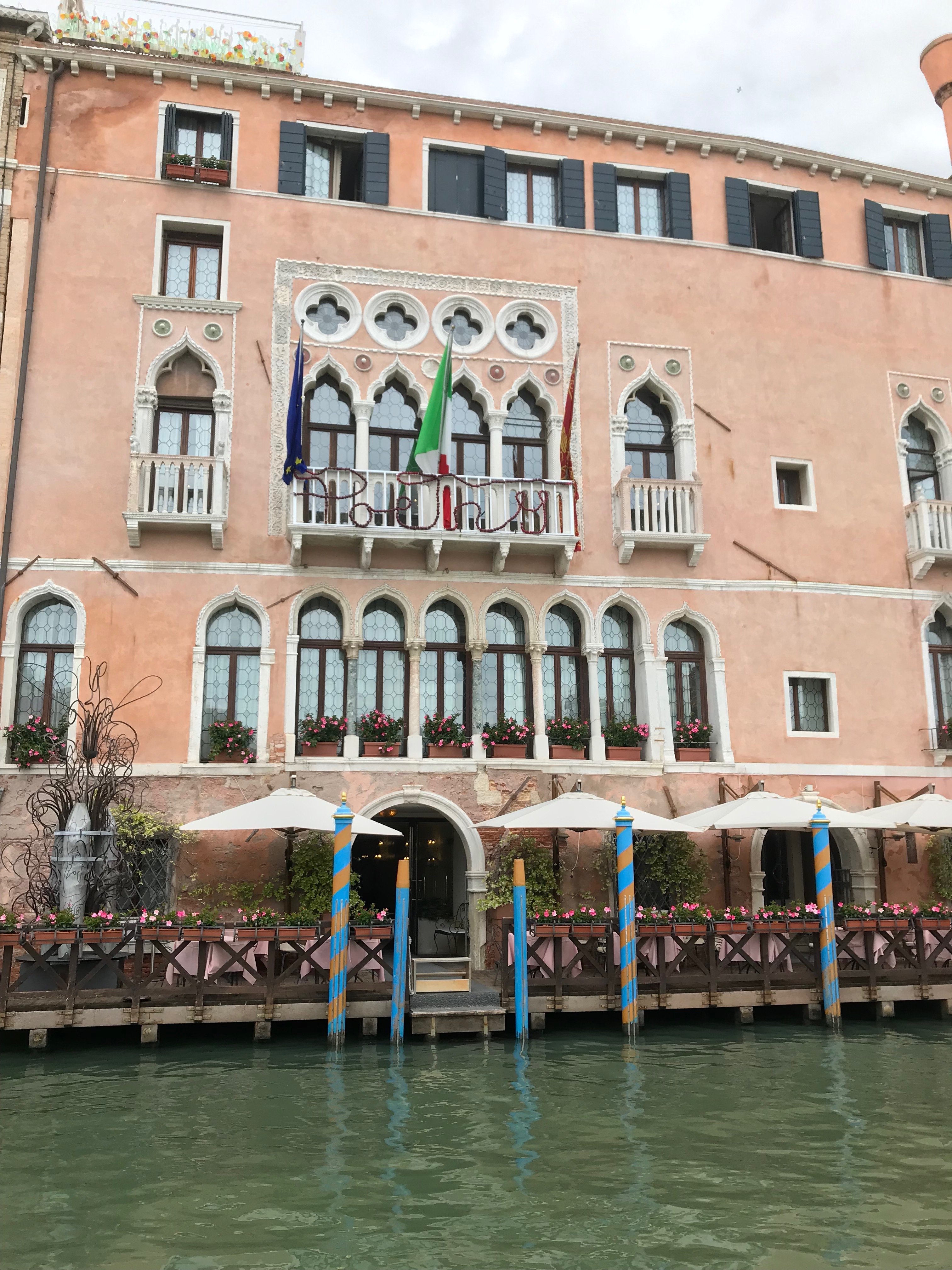
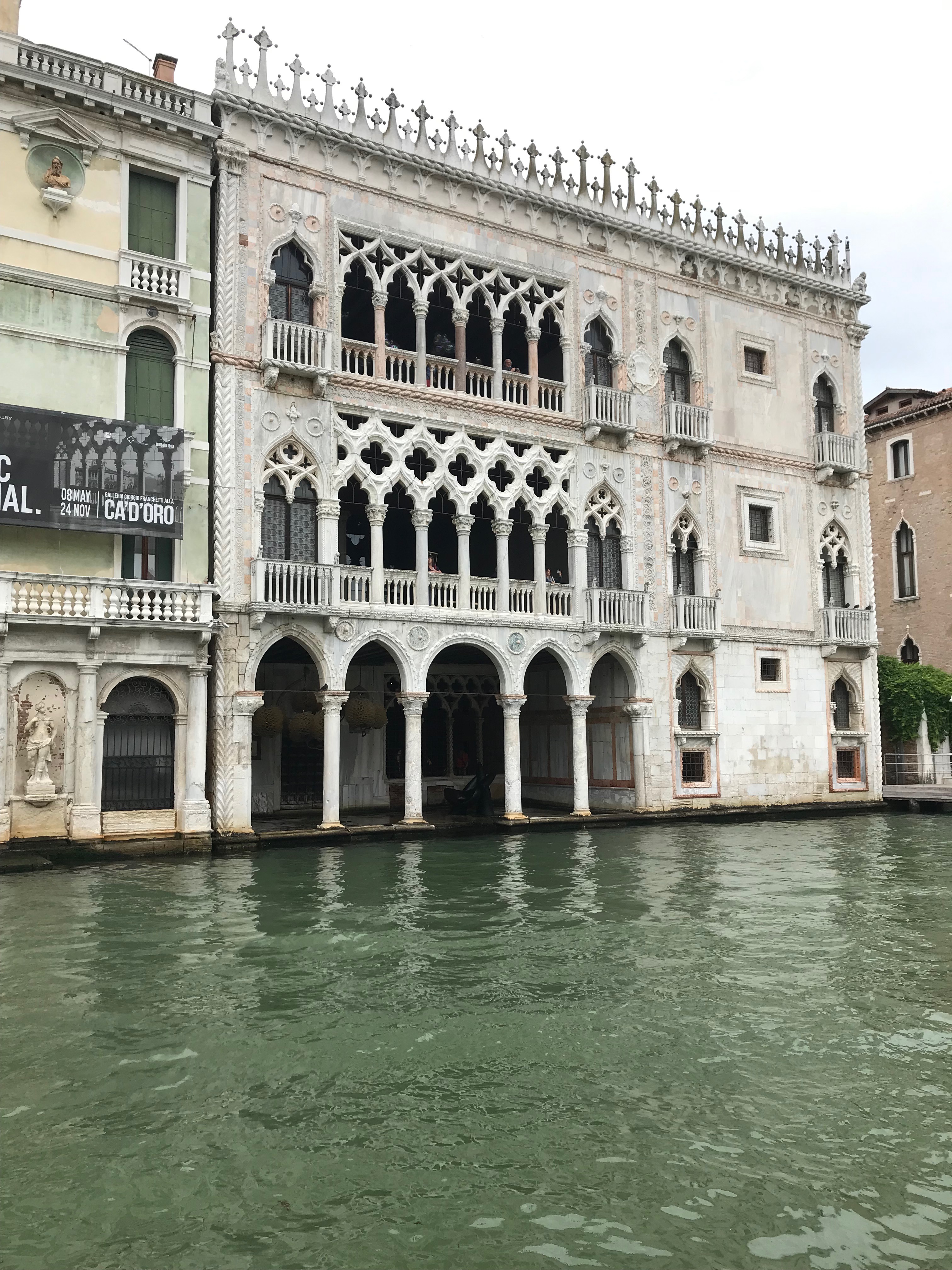
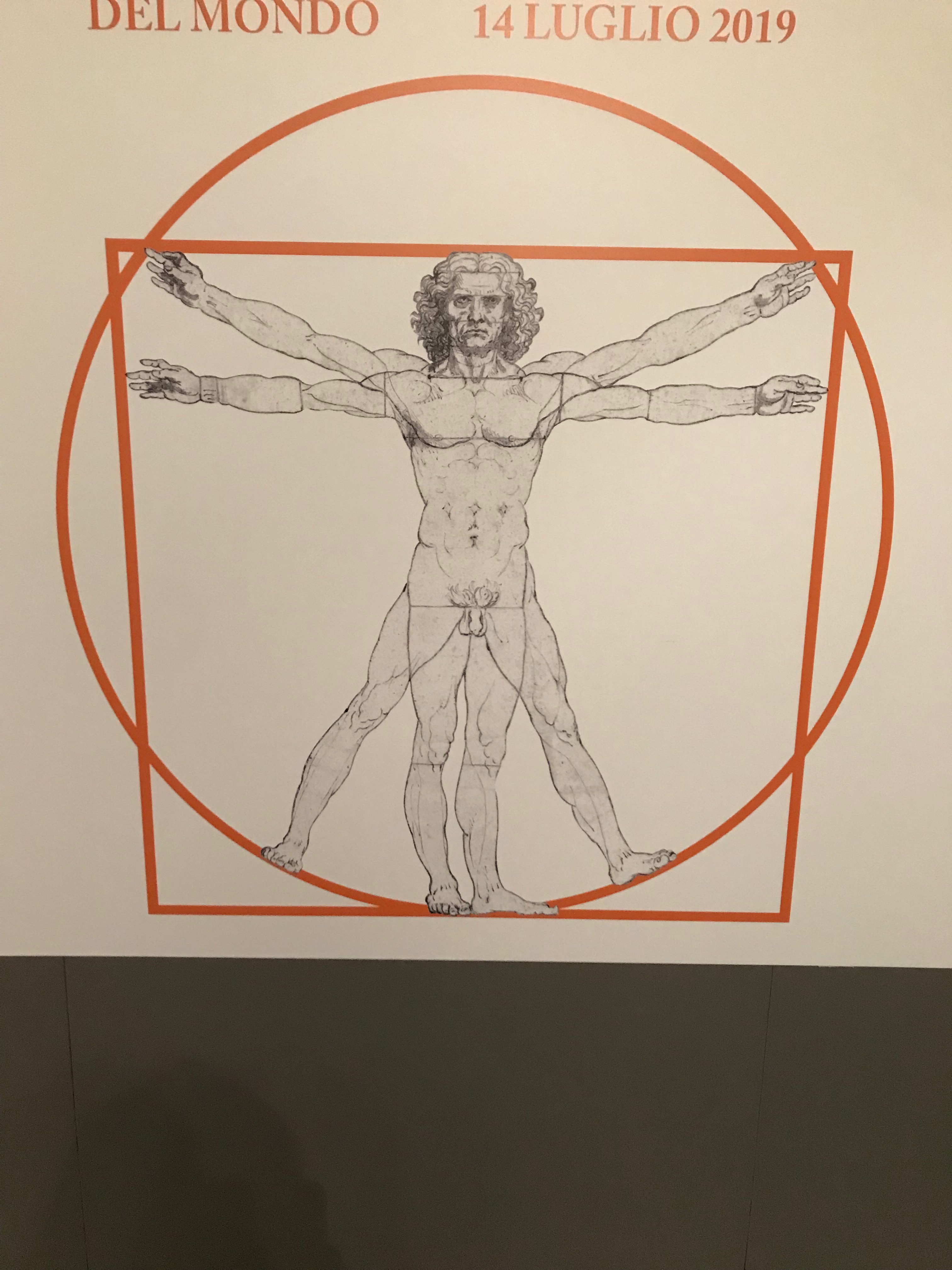
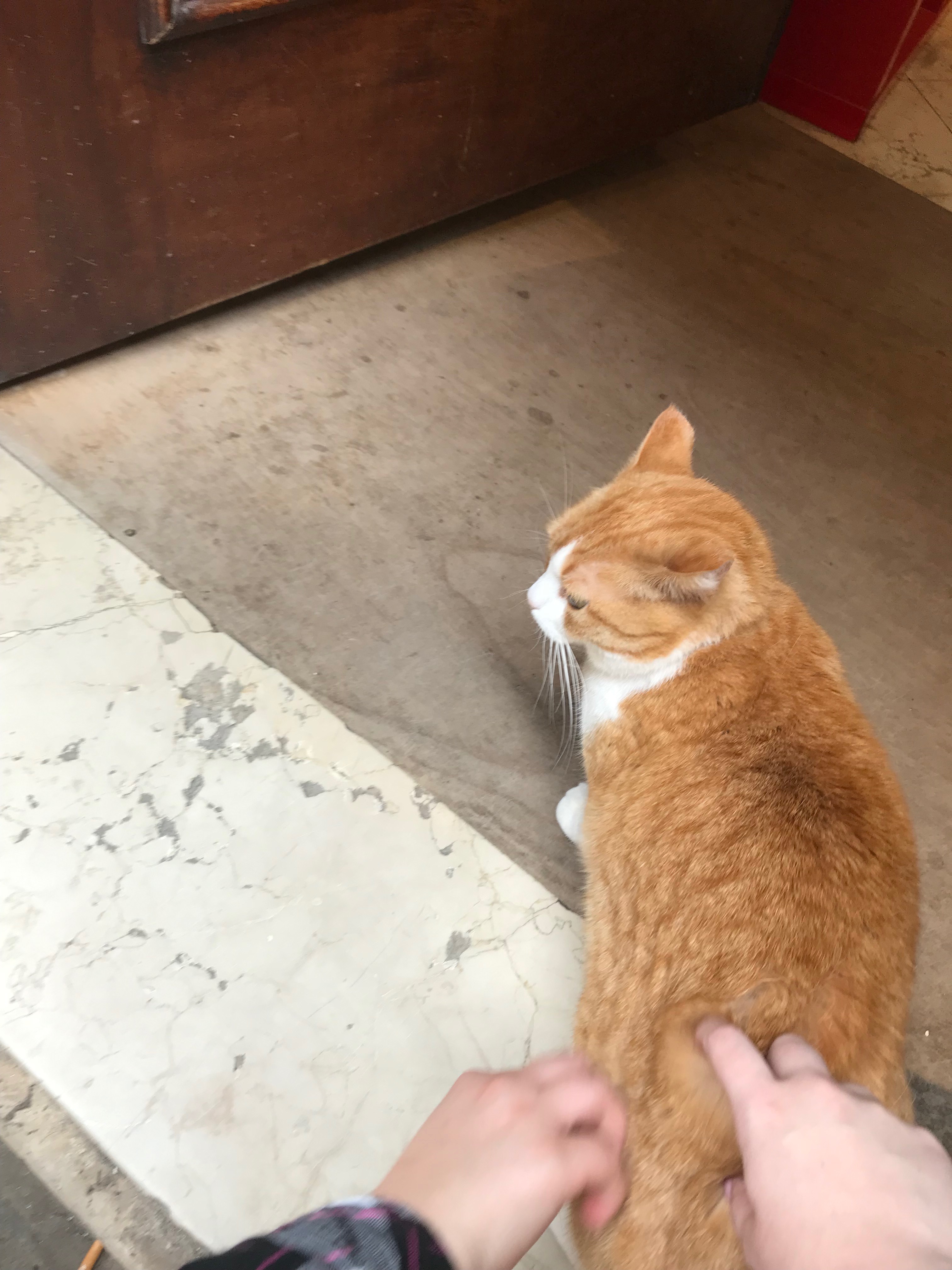
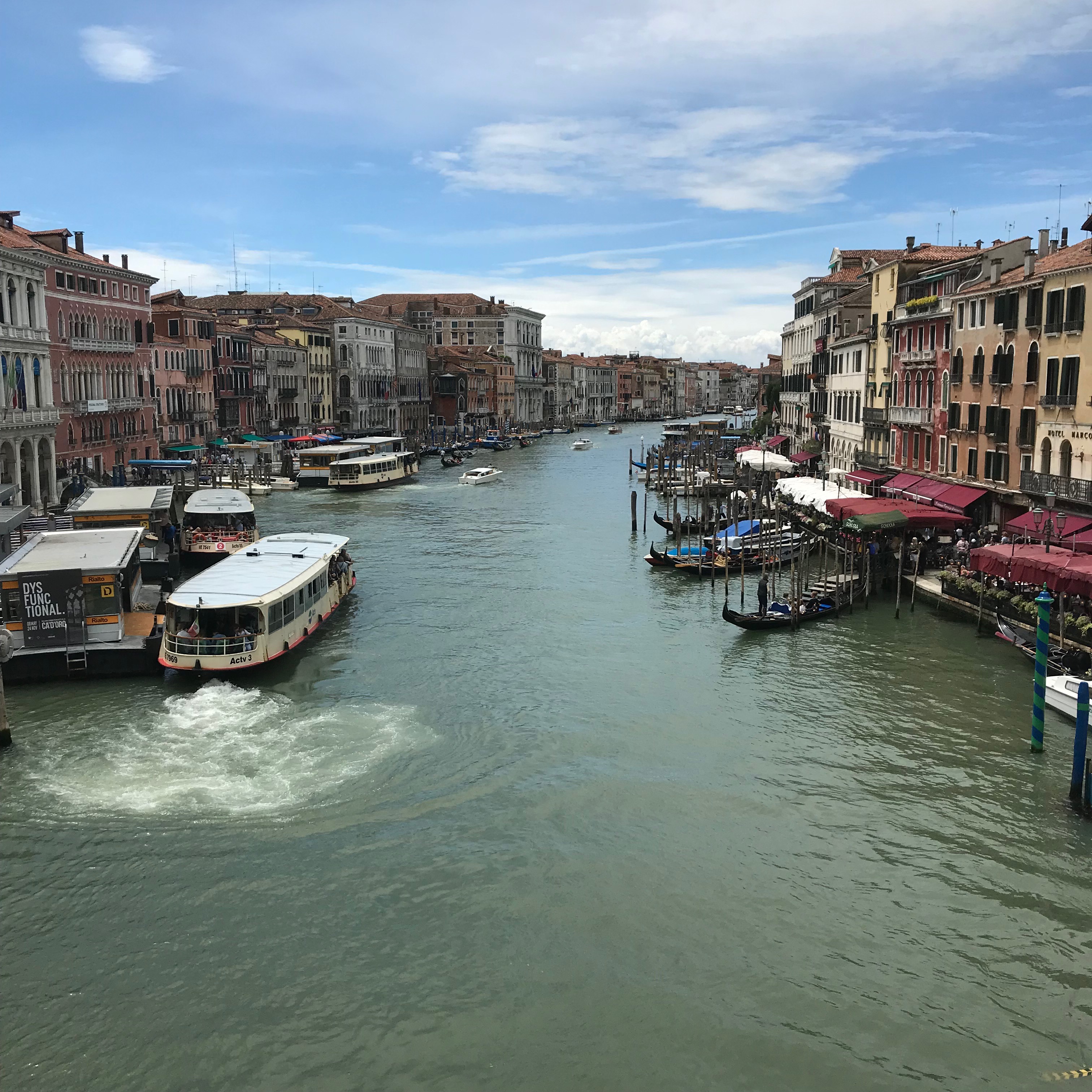
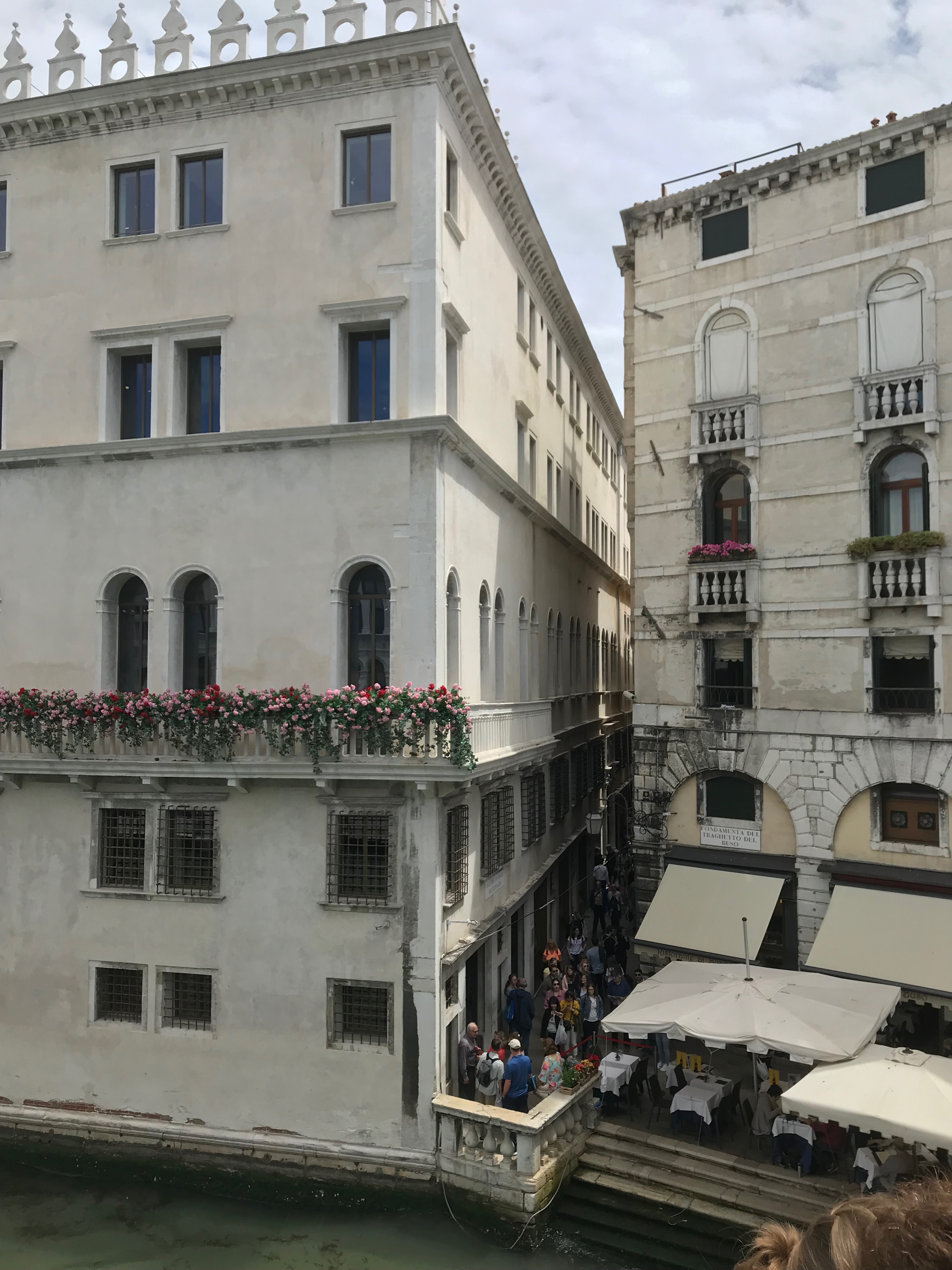
Thursday the 30th was our free day in Italy! Most of the group went to Venice, while some stayed and some went to Rome! Venice was beautiful, a bit touristy, but filled with historical monuments and amazing churches. It was sort of a lazy day, with no tickets and no plan, we wandered around, eating sandwiches on the go and seeing amazing architecture, art, and so many animals! Fun fact, I saw my first Italian cat today. We visited the Academia de Venice, accompanied by a special exhibit on da Vinci (no pictures allowed unfortunately).

A bit more touristy than our Florence home, Venice still proved to be a beautiful and deeply historic city. It was a really fun trip!

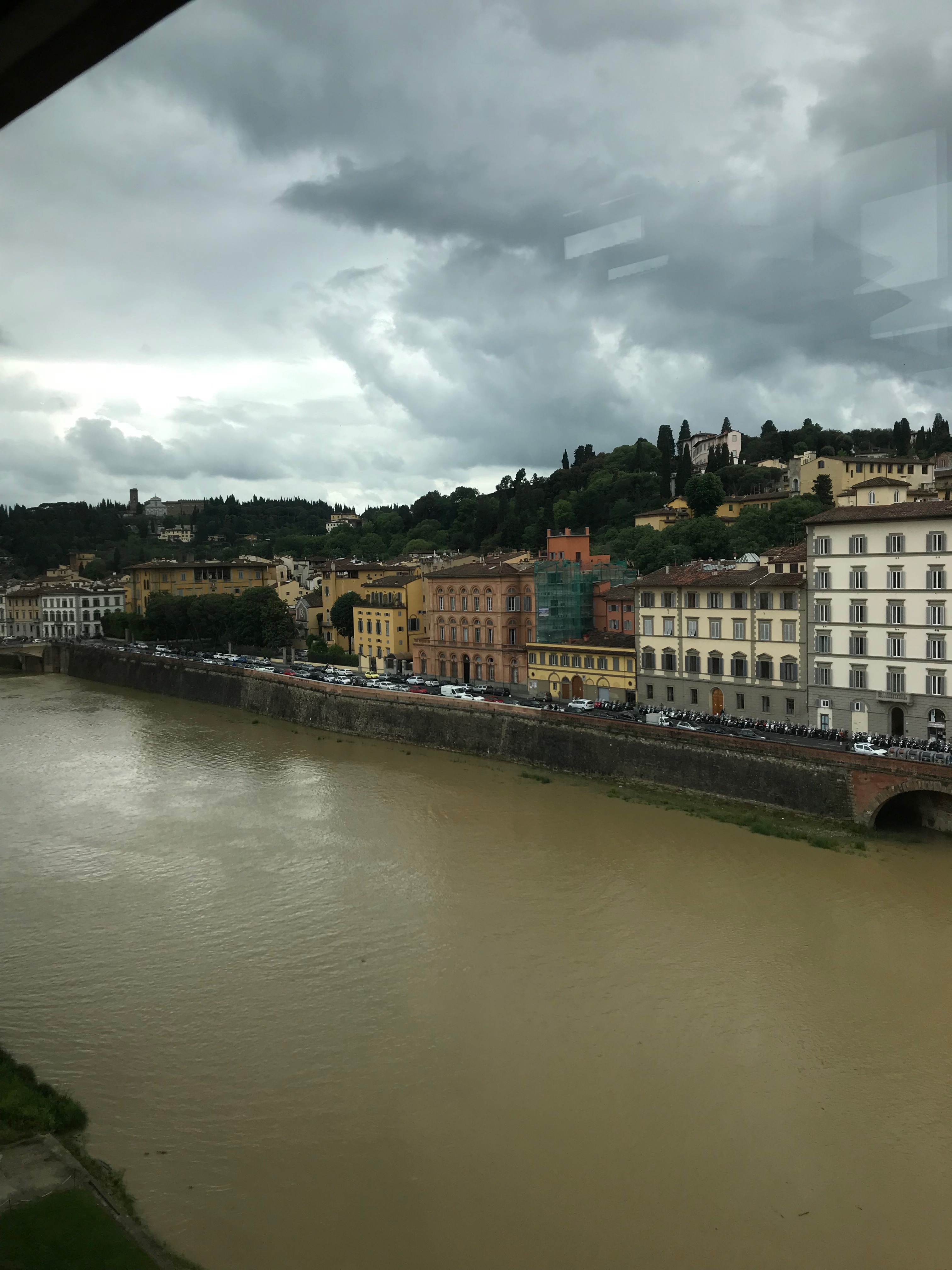
Meanwhile, back in Florence, Dr. Edwards spent his free day…grading papers. At least the view from the public library was nice.

A Piece of Pisa

May 29, 2019

“Motion is subject to the law of number”

                                  -Galileo Galilei

Hello world travelers!

On our most recent adventure we had the privilege of going to Pisa! After about an hour train ride with some new card games and some interesting encounters, we made it to our destination. 

We began our day near the Leaning Tower of Pisa. Starting with a lovely site presentation about the importance of Pisa to mathematicians Galileo and Fibonacci, our day was off to a wonderful start. Dr. Edwards then gave a lecture about the mathematician Muhammad ibn Musa al-Khwarizmi a.k.a. The Father of Algebra. He even introduced the number system that we still use today! 

Once the lecture concluded, the next move was obvious. 

Cheesy. Tourist. Pictures.

IMG_0157

IMG_0154

The amount of time we spent taking photos holding up the tower or pushing it down was a bit longer than expected but we sure had a great time during it. People getting up on small ledges trying to not fall off while posing for a cheesy tourist photo is an attraction in and of itself. 

However, taking a picture from below is nothing like what you get at the top. Now remember, our whole class has averaged about two towers of climbing at this point so it was a bit harder for us to push through. Although, in the end, it was plenty worth it. 

Once the whole class made it up to the top of the tower we all just sat together and appreciated the grandeur that was in front of us. The view was beautiful and the atmosphere was unexpectedly relaxing (at least for a tower scheduled to fall anytime in our future). 

From the top, we discussed the history of math and its place in the world today. We also talked about the square root of two, and why it’s irrational, but if you want to hear that story, you’ll have to ask!

Our next stop was the statue of Fibonacci and wow, was this one great.

Fibonacci’s statue can be found in the western gallery of the Camposanto, a historical cemetery on the Piazza dei Miracoli. Once we were all settled down by the statue, the second lecture began. Personally, I have to say this was one of the best lectures I have ever had. Not just for the interesting content, for the pure enthusiasm of our professor. Dr. Edwards had told us all once before that it was his dream to teach in front of one of his favorite mathematicians. Once during the lecture he even had to stop to take in the moment and realize he was actually living out his dream. It was truly inspiring and moving for everyone. 

IMG_0193 2

Our final stop before lunch and our ride home was the Cattedrale di Pisa. Not exactly what one would expect on a mathematical study abroad but in fact, Galileo went to that very same church and inferred from it a crucial law of the pendulum. Galileo, like many others, found himself bored during religious masses, so one day he looked up and saw a swaying chandelier. By timing himself, he found that no matter how large the arc in rotation (size of circle made) of the chandelier was, it would take the same amount of time to complete one arc. This is a concept that led to the development of the pendulum clock.

Upon leaving the cathedral a few of us checked out the baptistry next door while the rest went to get food. Shortly after our best friend came, the rain. A few of us got stranded in gelato shops (not the worst case scenario) as the streets were flooded with heavy rain and hail. It seemed like a journey and a half to make it back to the train station all in one piece but we all managed it! 

The train back home to Florence was quick and quiet. Everyone was exhausted and ready to sleep. And sleep we would, for our next adventure, Bologna, awaits. 

Our view from the train on our way to Pisa!

Rainy and sore but we learned so much more!

May 28, 2019

“Let us take from nature what we are going to paint, and from nature we choose the most beautiful and worthy things”

Leon Battista Alberti

Officially day 2 in Florence, and it started quietly. The group got a chance to split up last night for dinner, although most of us stuck together because we just like each other so much! This morning, a good few of us woke up to very sore leg muscles and feet, a souvenir from yesterday. You know the best way to work out sore muscles? Use them!

That we did.

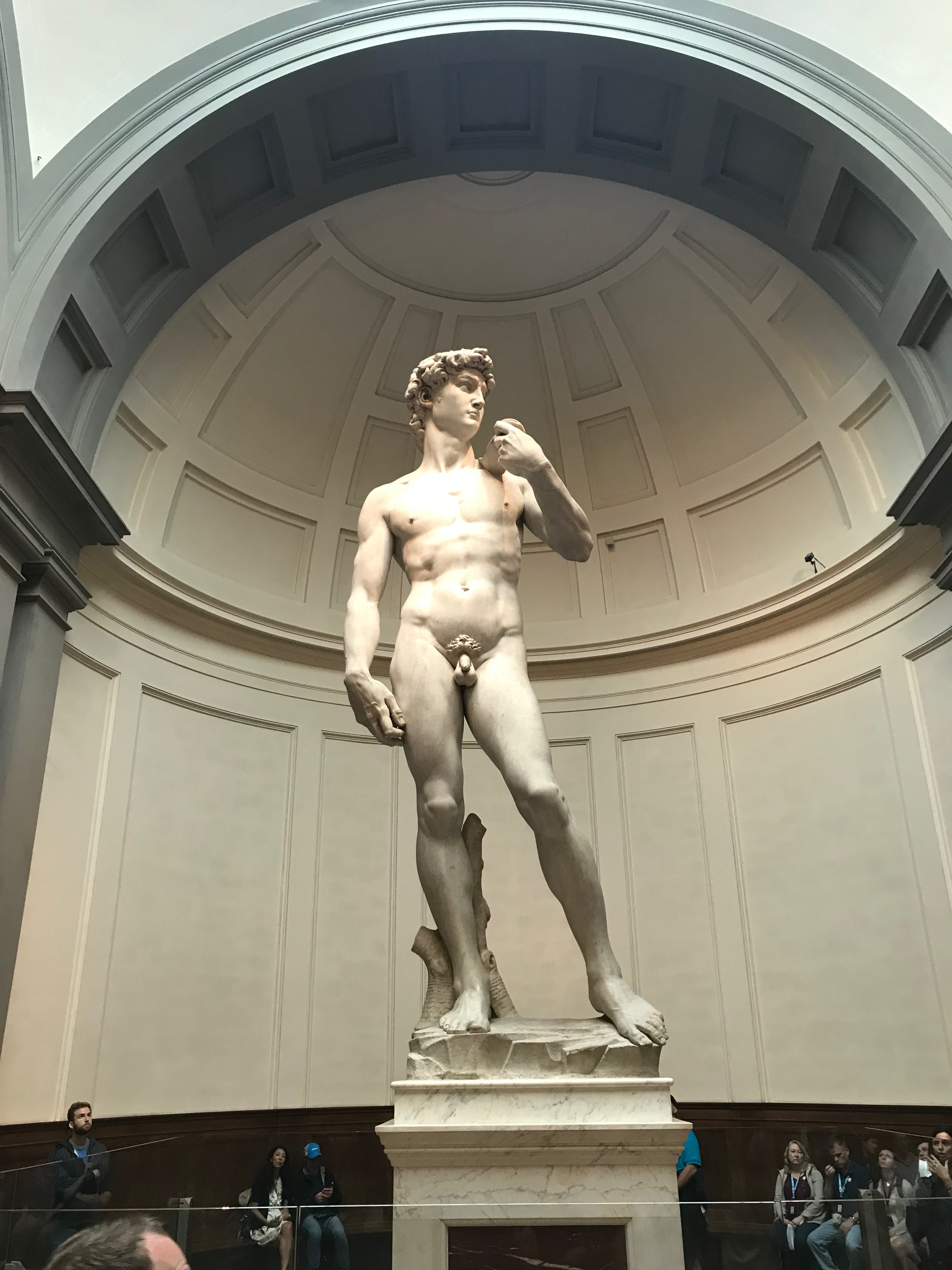
We began today with a quick walk to the Galleria dell’Accademia. The gallery is small, but mighty. Upon entering we walked directly into the world of Michelangelo. His sculpture series, commonly tagged The Prisoners, is one of his most famous. They are four separate sculptures with names like “The Young Slave” and “The Atlas (Bound),” famous for their obvious unfinished state. Here’s the story: Michelangelo believed that he was a mere messenger of sculptures, that there were souls inside of each slab of marble and it was his job to free them. In his time, the soul was represented by the abdomen. While the statues have various features missing here and there, part of a head or no lower legs, they all had beautiful abdomens, completed with the upmost care. It appears once he freed them, he had no need to continue working. Past the four Prisoners, a man stood taller than the rest, David, as he sized up Goliath. Dr. Edward’s says this is the moment David thinks “I can take this guy.” He stands, majestic and anatomically perfect, except for his huge right hand. Michelangelo defends by saying David was indeed more than a man, he had a mission and that hand was important. From there we went to the hall of sculptures, with hundreds of busts and full sculptures from the Renaissance (even sculptures with dogs!). There was also a massive collection of old gold-leaf artwork that had been in Catholic Churches all around Europe during the same time period. It was a truly an iconic place to experience.

Next, Dr. Edwards led us on a history of mathematics tour of old-town Firenze. We explored the city with emphases on math and its relation to history and art. There is such a rich culture here, everything you see has deep roots in history and art, and nearly everything had definitive connections to Renaissance era math discoveries. For instance, there is a dramatic shift in paintings and elevated sculptures. What once looked like flat features on a flat surface, or disproportionate bodies stationed high above ground, became beautiful and realistic depictions with the rise of linear perspective (for paintings) and trigonometry (for larger sized sculptures).

Then, it rained.

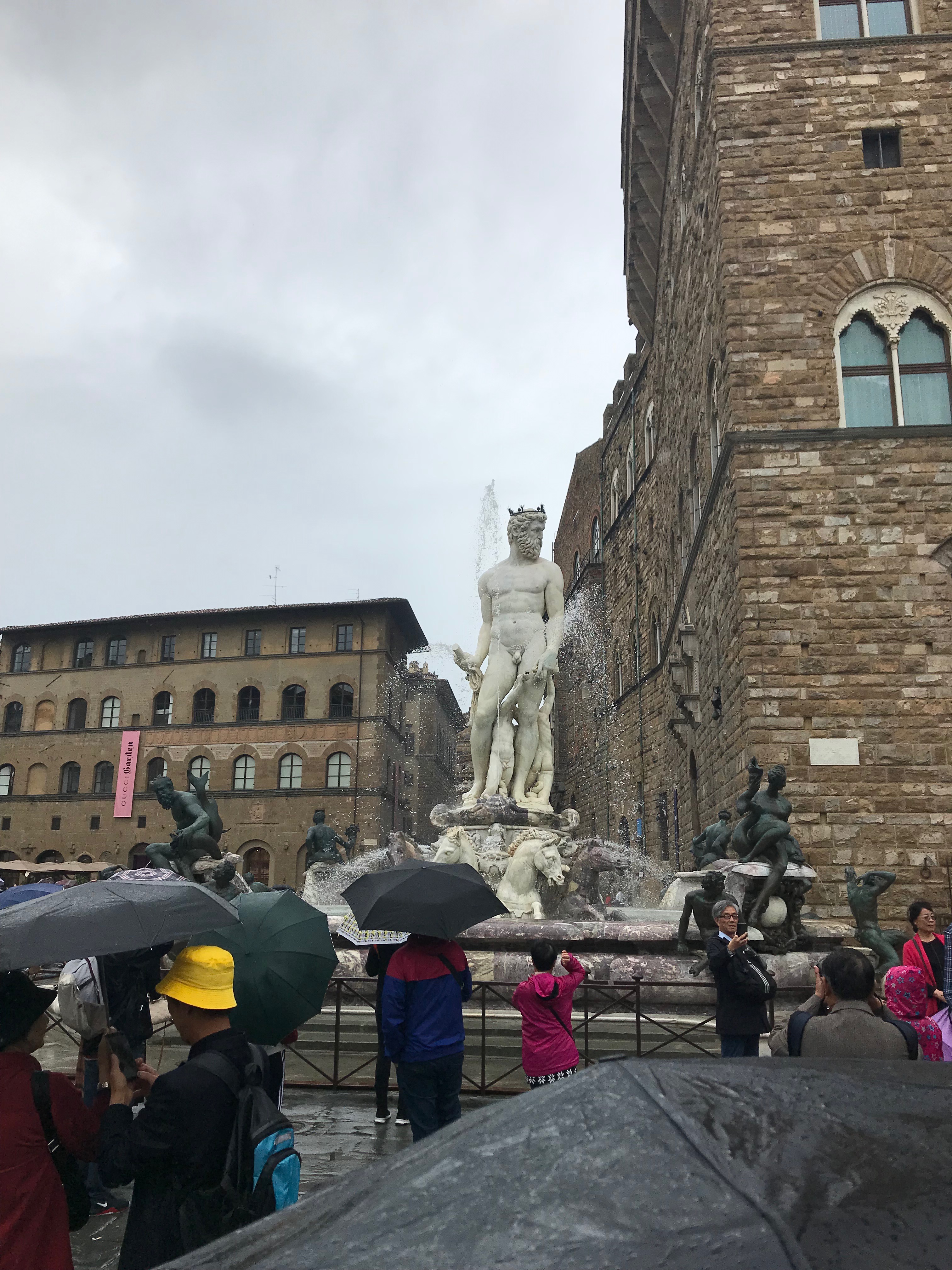
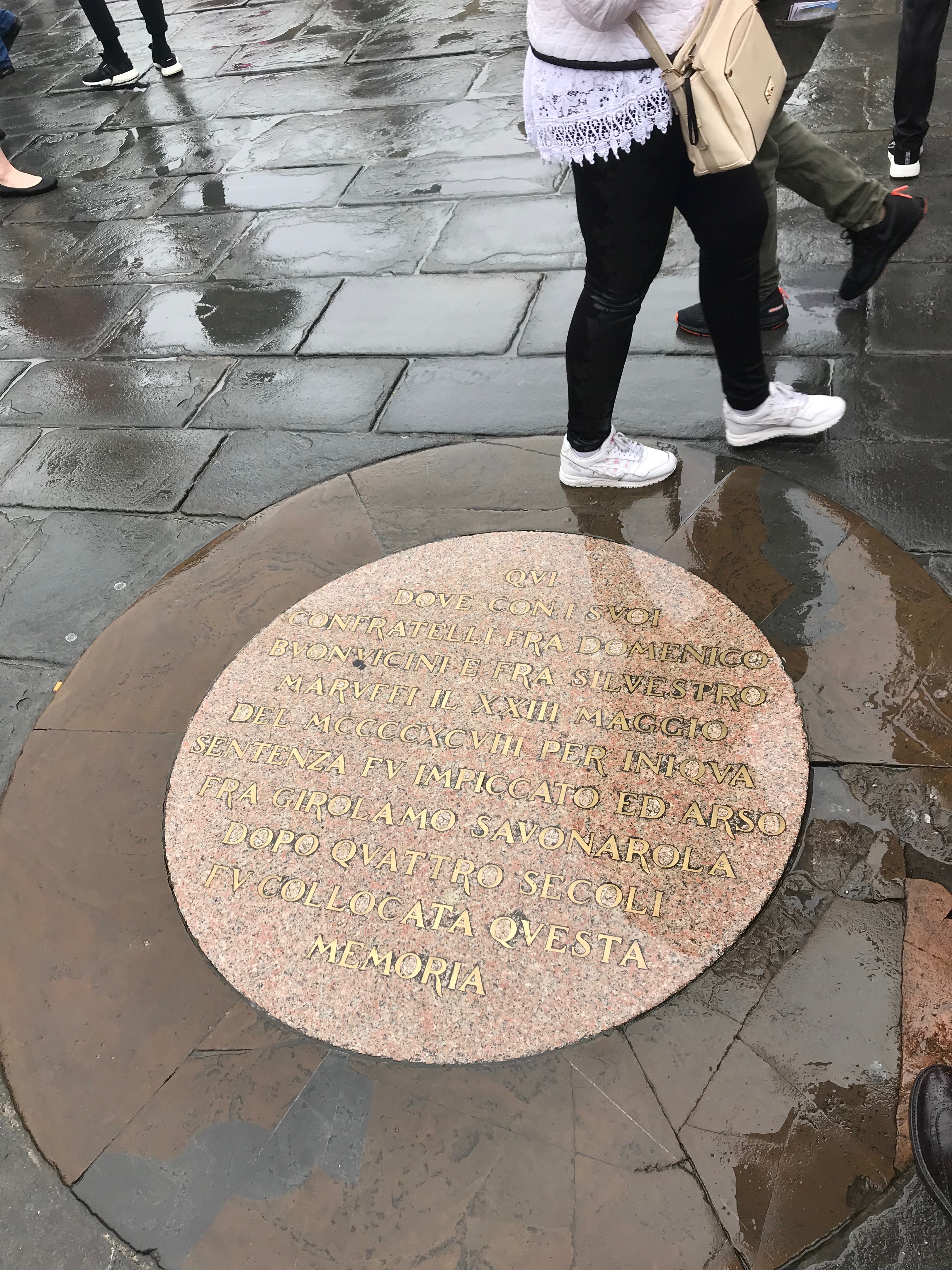
Not a soft rain, but a hard down pour mere minutes after blue sky and sun soaked us. Students had to (unfortunately) buy some cheap umbrellas for not-so-cheap prices from vendors, but nonetheless, we persisted. Dr. Edwards was lecturing when we needed to take cover in the Orsanmichelle Church. It was absolutely stunning. While not on the itinerary, we continued our lecture inside and were able to see more examples of math being used for specific things (in this case the amazing architecture of the church ceilings and the tabernacle). Once the rain settled, we traveled to the Piazza della Signoria. There, we learned about the end of the Florentine Renaissance, when Girolamo Savonarola called for Christian reform. This entailed burning a lot of things deemed “sinful” or luxurious (aka art and artifacts). As a result, many non-religious mathematicians and artists moved away from Florence, taking the Renaissance with them. Dr. Edwards said we lost a lot of Renaissance art during those few years. However, Savonarola wasn’t favored, and he was eventually burned in the Piazza.

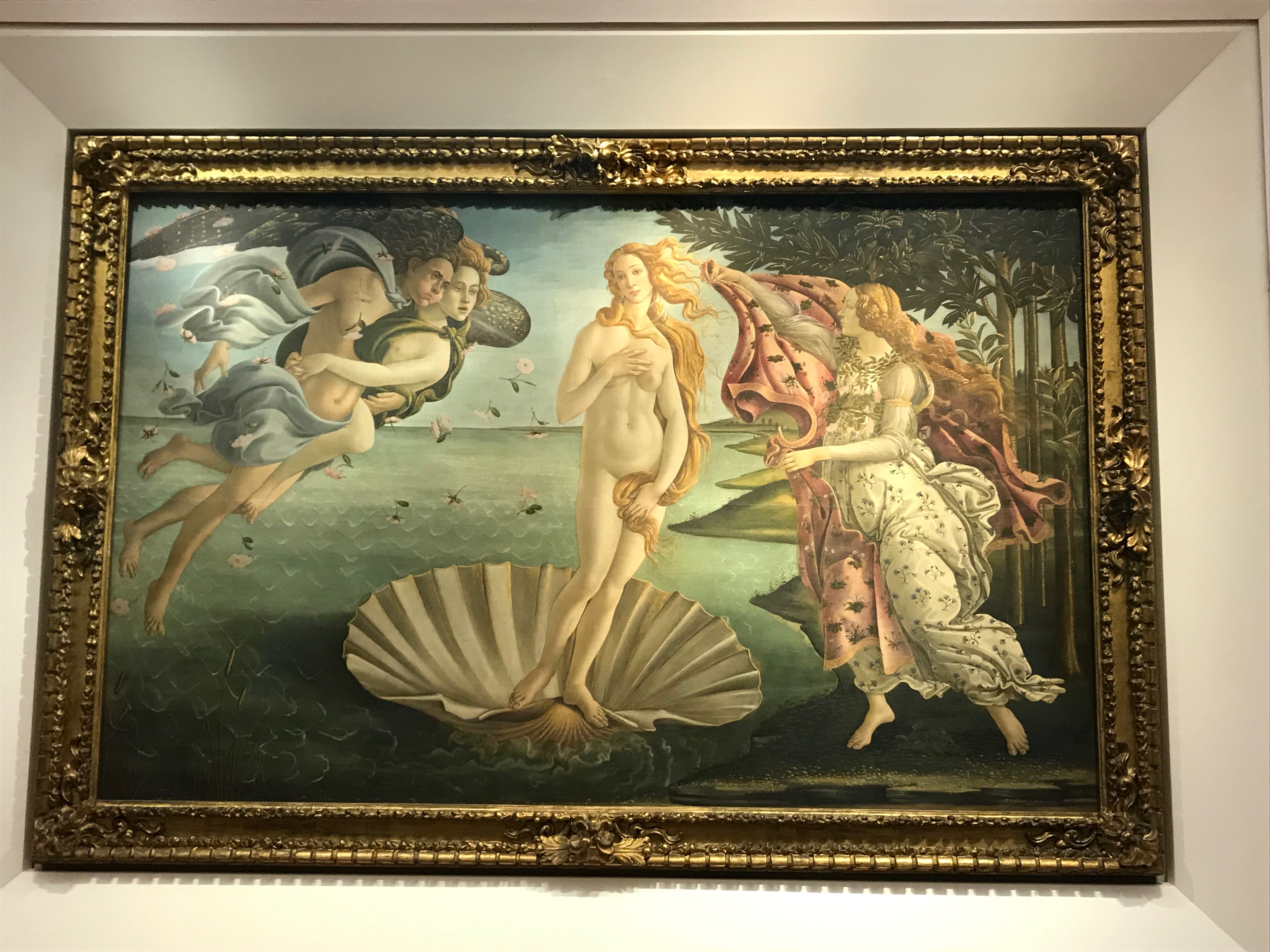
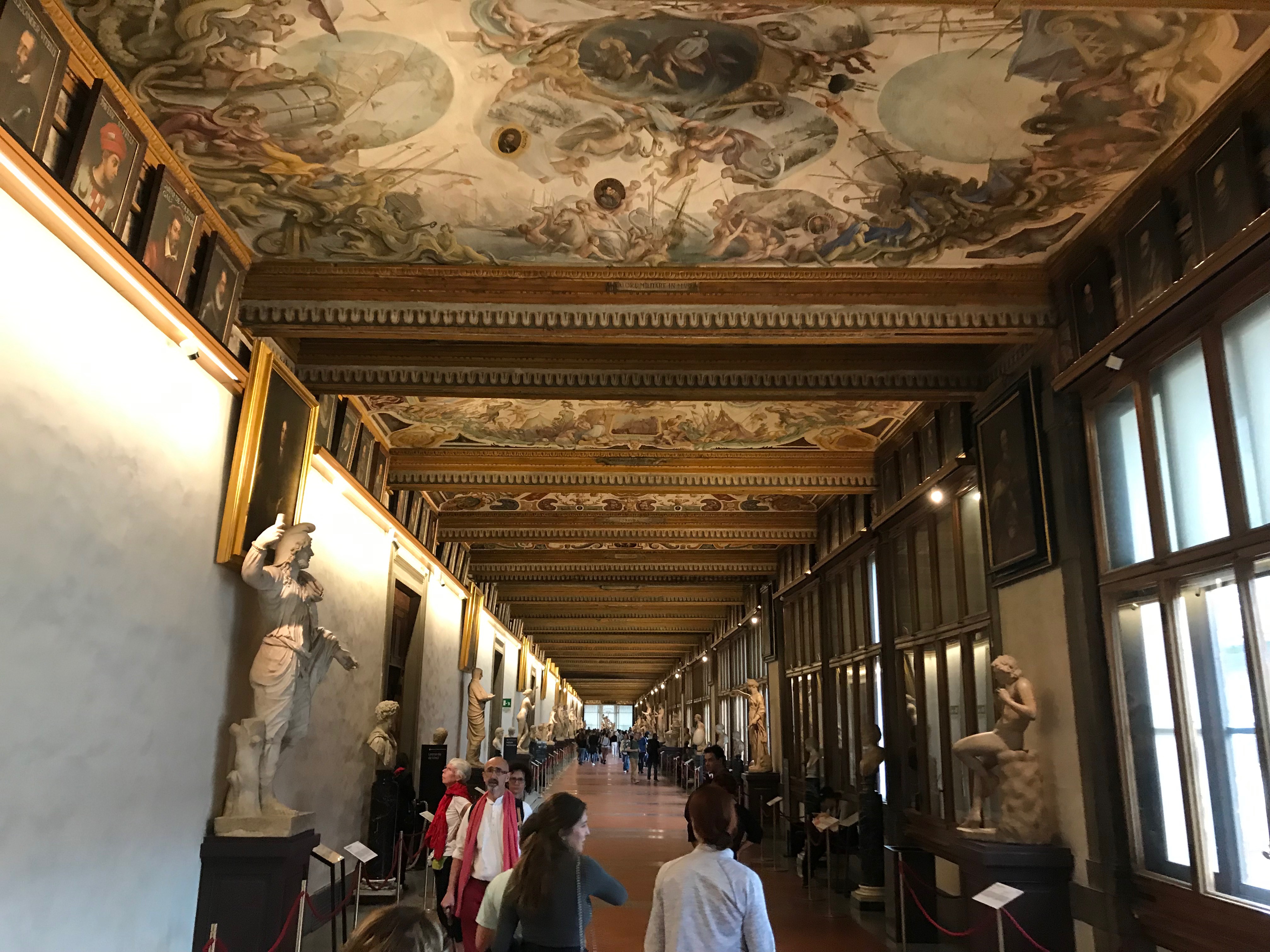
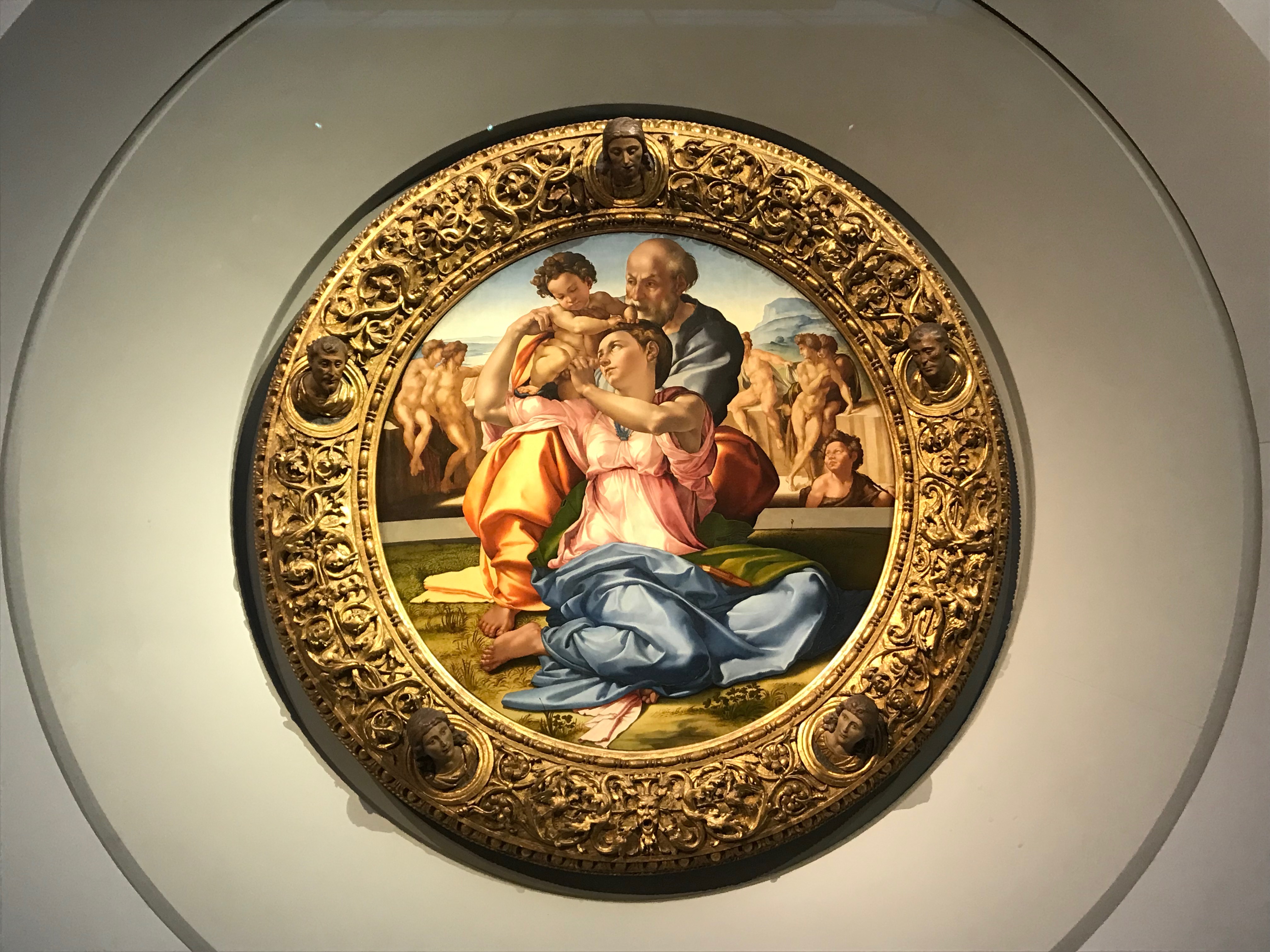
After some free time (pictures below) we gathered again at the Uffizi gallery for a guided tour. We saw amazing works from da Vinci, Raphael, and Michelangelo, along with other world renowned pieces. Our guide, Sara, explained the symbolism and detail of so many great works so that we can truly understand the magnificence of what were witnessing. It’s incredible to see these paintings in person, but it was even more incredible to be able to understand their significance and histories.

After some homework and naps, the group decided to go eat all together (again, we love each other) at a restaurant mere steps from our hotel. We had a lovely meal, and even received a free pizza as to not waste it (made by mistake)! We will definitely be returning to that location and try to return the hospitality as much as we can. For now, we will digest our pizza and dream of Pisa– tomorrow!

View from the Boboli Gardens
Rain rain… go away!
Fountain of Neptune, Piazza della Signoria
The Orsanmichelle Church
The hall of sculptures, Academia
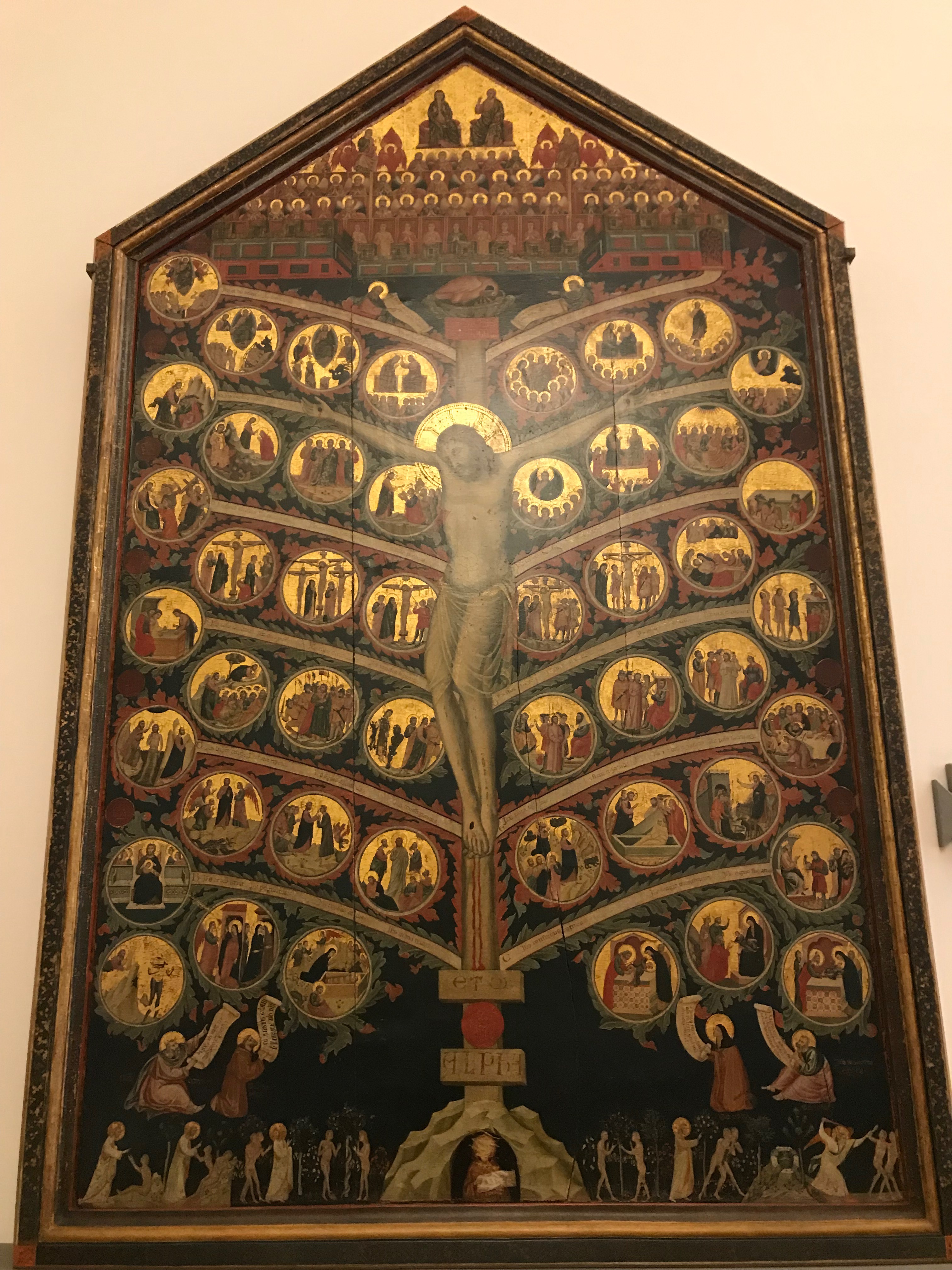
“Tree of Life” Academia

Started from the Bottom, Now We’re HERE

May 27, 2019

“Let no one who is not a mathematician read my works”

– Leonardo da Vinci

After a long day of travel, we finally made it! I would say we touched down, but it was more of a smack down. We walked way more than .6 km back to the hotel we couldn’t check in at before heading to Il Mercato Centrale Firenze for a snack of lampredotto (cow’s intestines🤢) and caprese. Then we met Lilia for an orientation of Italy before a walking tour to the Piazza de Santa Maria and down the Via Roma. A delicious dinner of pasta, Florentine steak, and custard cheesecakes later, we finally collapsed in the hotel for a few blissful hours of sleep.

Waking up at 7 was rough this morning, but we had a busy day ahead of us: we left the hotel early to get a good spot in line before we climbed the countless steps up to Brunelleschi’s beautiful Duomo on the Santa Maria. After many agonizing steep steps and sweat, we emerged to see the gorgeous skyline of Firenze and the surrounding countryside. From the top, Dr. Edwards led a discussion on the mathematics behind Brunelleschi’s dome and what the dome represented at the dawn of a new age in science and art.

Lyman Briggs students on top of Brunelleschi’s dome

After we descending from the peak, we decided to cool down our tired feet with a relaxing climb up the slightly-less tall Bell Tower of Santa Maria. This second ascent was just as arduous, but resulted in a view of the Dome with the Tuscan hills resting in the background. We spent the rest of the morning on the ground in the Palazzo de Santa Maria, visiting the Baptistery and the museum. We discussed the mathematics of the Gates of Paradise, doors designed by Ghiberti that open into the Baptistery. He entered them in a contest against Brunelleschi and won because of his realistic use of perspective.

Ghiberti’s “Gates of Paradise”: A groundbreaking use of linear perspective

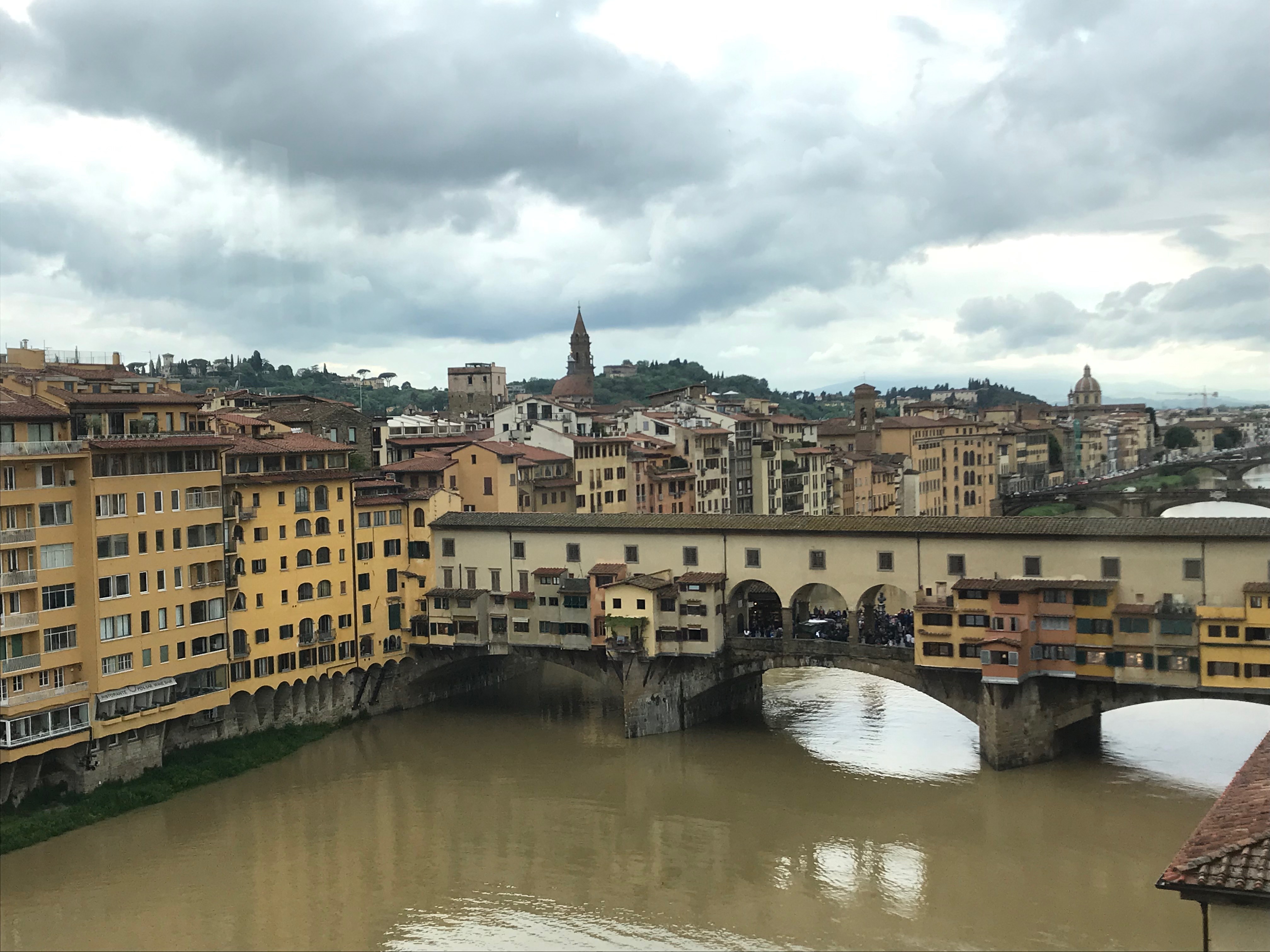
A break for lunch split us up into a few groups to explore the city for the first time. My classmates and I walked across the Ponte Vecchio above the flowing Arno before sitting down to eat at a genuine Italian bistro where we enjoyed pizza margherita and ravioli.

After the authentic cuisine, we headed back to Accent headquarters for a lecture on the lives of Renaissance mathematicians by Professor Giacobassi. We discussed Tycho Brahe, Johannes Kepler, and Galileo Galilei. Afterwards, we saw other students at Accent for their own study abroad programs in the city. Then we went back across the river to the Galileo Museum where some of his personal possessions, such as his telescopes that discovered the moons of Jupiter, and other scientific equipment of the era are on display. Then we got the rest of the evening to ourselves. After another delicious meal, a group of us enjoyed the sweeter side of the city with some Italian gelato!

Time for a gelato?

Welcome to Europe

by Dr. Edwards

There is something deeply gratifying about getting physically close to important things in our lives. To walk the same streets as Galileo. To look through the same window as Newton, to stand in the very places where great mathematics was done – such things are magical.

Over the next three weeks, a group of fourteen scholars from Lyman Briggs College will travel across three countries, in search of the answers to these questions:

  • What is mathematics?
  • How has the history of mathematics been influenced by culture and history?
  • How have culture and history been influenced by mathematics?

Our answers to such questions are inevitably colored by the lens of our 21st century culture. But for the next three weeks, we travel back in time to places such as Renaissance Italy, to Paris during the Romantic Age, and London during World War II.

In the coming weeks, we’ll try to understand exactly what people throughout history valued, what they feared, what they loved, and what the role of mathematics was in their world.

Welcome to the adventure!

IMG_0082